Buy Shilajit Resin-UK - Lab Tested- Gold Standard - Authentic Himalayan Shilajit - Secure Checkout - Free & Fast Shipping

The Rich History and Traditional Significance of Shilajit in Nepal
1/29/20262 min read
The Rich History and Traditional Significance of Shilajit in Nepal
Introduction to Shilajit
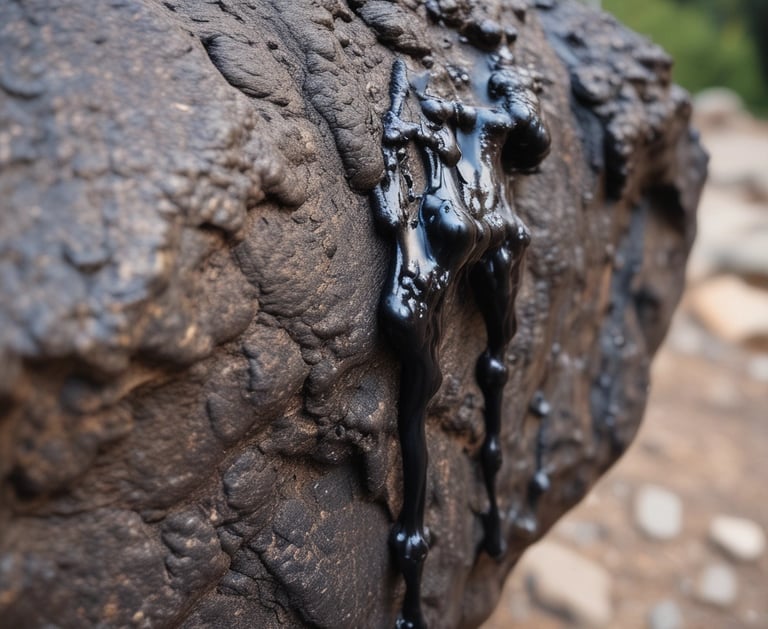
Shilajit is a naturally occurring resin-like substance found in mountainous regions, particularly within the Himalayan ranges of Nepal. It forms over long periods through natural geological processes involving the gradual decomposition of plant matter and organic materials within rock formations.
Characterised by its dark colour and resin-like consistency, Shilajit has been recognised for centuries due to its natural origin, distinctive composition, and historical importance within Himalayan cultures.
Historical Significance of Shilajit in Nepal
Shilajit has been referenced in traditional literature and cultural practices throughout Nepal and neighbouring Himalayan regions for generations.
Ancient texts and historical records describe its collection from mountainous environments and its inclusion in traditional systems and formulations. These references highlight the long-standing connection between Shilajit and the cultural heritage of the Himalayan communities where it naturally occurs.
Over time, Shilajit became a recognised natural resource that was valued not only for its rarity but also for its place in traditional knowledge and local customs.
Traditional Use in Ayurvedic Practices
Within traditional Ayurvedic literature, Shilajit has been documented as a naturally occurring substance sourced from mountain regions.
Historical texts describe its use in traditional preparations alongside herbs, minerals, and other naturally derived ingredients. Its inclusion in these formulations reflects its significance within traditional practices and cultural traditions.
Today, Shilajit continues to be referenced as part of this historical and traditional heritage.
Composition of Shilajit
Shilajit naturally contains a variety of compounds, including:
Fulvic acid
Humic substances
Trace minerals
Organic plant-derived compounds
The exact composition can vary depending on environmental conditions, altitude, geographical origin, and processing methods.
This natural variation contributes to the distinctive characteristics of Shilajit sourced from different Himalayan regions.
Modern Interest in Shilajit
In recent years, Shilajit has attracted interest from consumers, researchers, and manufacturers due to its natural formation process, traditional background, and unique composition.
Areas of interest commonly include:
Geological formation
Natural composition
Source and origin
Traditional heritage
Quality standards
Laboratory testing
This ongoing interest has contributed to increased awareness of Nepalese Shilajit in both local and international markets.
Quality and Authenticity
When evaluating Shilajit products, consumers may wish to consider:
Source
Information regarding where the Shilajit was collected and processed.
Purity
Products with transparent ingredient information and minimal additives.
Laboratory Testing
Independent laboratory analysis can provide information regarding composition and quality standards.
Manufacturing Standards
Reputable suppliers often provide Certificates of Analysis (CoA), sourcing details, and quality-control information.
Available Forms
Shilajit is commonly available in several formats:
Resin
Powder
Capsules
Liquid extracts
Each format may vary in appearance, packaging, and preparation methods depending on the manufacturer.
Conclusion
Shilajit remains an important part of Nepal's natural and cultural heritage. Its long history, traditional significance, and unique geological origin continue to contribute to its recognition around the world.
When selecting a Shilajit product, reviewing sourcing information, laboratory testing documentation, and manufacturing standards can help consumers compare products and make informed purchasing decisions.
Address
Cambrai Road, Bulford
Salisbury
SP4 9FX
United Kingdom
Contacts
contact@purjawhite.co.uk
+44 7943727382