Buy Shilajit Resin-UK - Lab Tested- Gold Standard - Authentic Himalayan Shilajit - Secure Checkout - Free & Fast Shipping

Is Shilajit Safe? Understanding Side Effects, Dosage, and Precautions
1/29/20261 min read
Introduction to Shilajit
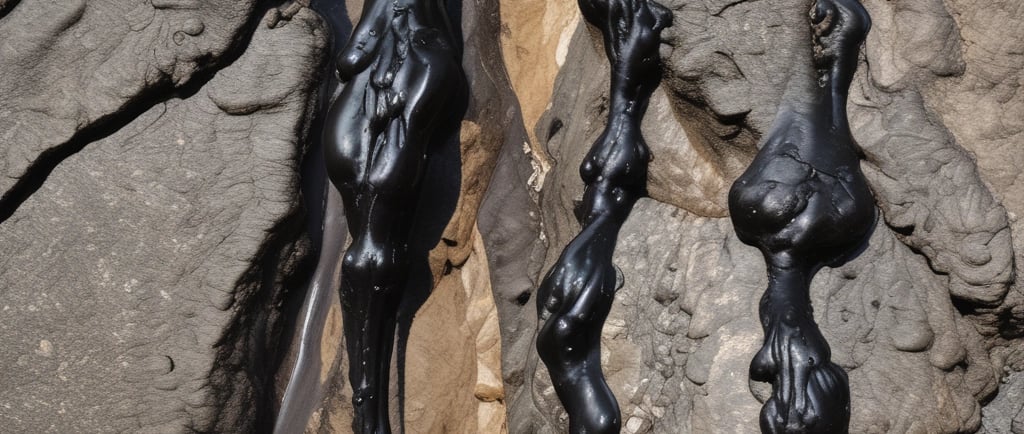
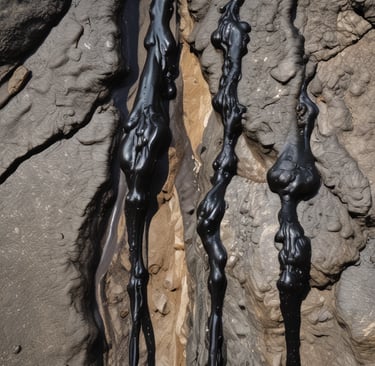
Shilajit is a naturally occurring resin-like substance found in mountainous regions, particularly the Himalayas. It forms over long periods through natural geological processes involving the gradual decomposition of plant matter and organic materials.
Its distinctive composition includes naturally occurring compounds such as fulvic acid, humic substances, and trace minerals. Due to its natural origin and long history of traditional use, Shilajit has become a widely recognised product in many parts of the world.
As consumer interest continues to grow, factors such as product quality, purity, sourcing, and manufacturing standards have become increasingly important considerations.
Understanding Product Quality
The quality of Shilajit can vary depending on its source, collection methods, purification process, and manufacturing standards.
When evaluating a Shilajit product, consumers may wish to consider:
Source and geographical origin
Purification methods
Product composition
Independent laboratory testing
Manufacturing standards
Supplier transparency
Products from reputable manufacturers often include Certificates of Analysis (CoA) or third-party laboratory reports that provide information about product composition and quality specifications.
Product Information and Usage
Shilajit is commonly available in several formats, including:
Resin
Capsules
Powder
Liquid extracts
Recommended usage instructions may vary depending on the manufacturer, product format, and concentration. Consumers should always follow the directions provided on the product packaging.
Choosing a Reputable Supplier
When purchasing Shilajit, look for suppliers that provide:
Transparent Sourcing
Information regarding where and how the product was collected.
Independent Laboratory Testing
Third-party verification of product composition and quality standards.
Clear Ingredient Information
Accurate labelling and detailed product specifications.
Manufacturing Standards
Evidence of quality control procedures and product consistency.
Important Considerations
Before purchasing any natural product, consumers may wish to review:
Product ingredients
Laboratory testing documentation
Source and origin information
Manufacturing practices
Supplier reputation
These factors can help support informed purchasing decisions and allow for more effective product comparisons.
Conclusion
Shilajit is a naturally occurring substance formed through long-term geological processes in mountainous environments. Its unique composition, traditional heritage, and natural origin continue to make it a popular product among consumers worldwide.
By reviewing sourcing information, product specifications, laboratory testing reports, and manufacturing standards, consumers can make informed decisions when selecting a Shilajit product.
Address
Cambrai Road, Bulford
Salisbury
SP4 9FX
United Kingdom
Contacts
contact@purjawhite.co.uk
+44 7943727382