Shilajit Resin vs Powder vs Capsules: Which is Best?

1/29/20267 min read

Introduction to Shilajit

Shilajit is a remarkable natural substance, primarily found in the high altitudes of the Himalayas. Formed over centuries through the slow decomposition of plant materials, this thick, tar-like resin is rich in minerals and organic compounds. The etymology of the term shilajit can be traced back to Sanskrit, meaning "rock invincible" or "conqueror of mountains," indicative of its historical significance and the reverence it holds in various traditional healing practices.

Historically, shilajit has been a cornerstone of Ayurvedic medicine, a traditional system of healing that originated in India over 3,000 years ago. Ayurvedic practitioners have long touted its wide range of health benefits, which include boosting energy levels, enhancing cognitive function, and improving overall vitality. The substance is thought to be a powerful adaptogen, helping the body cope with stress and maintain homeostasis. Ancient texts reference shilajit for its potential to rejuvenate tissues and strengthen the body’s immune response.

In recent years, shilajit's popularity has surged as more individuals turn to natural supplements for wellness and longevity. As a result, many people are now integrating shilajit into their daily routines, viewing it as a vital component of a balanced lifestyle. The emergence of various forms of shilajit, such as resin, powder, and capsules, allows consumers to select a mode of consumption that best fits their preferences and needs. This growing trend reflects a broader shift towards natural and holistic approaches to health, driven by an increasing interest in herbal remedies and natural supplements.

Forms of Shilajit: Resin, Powder, and Capsules

Shilajit, a natural substance found primarily in the Himalayas, has gained popularity due to its numerous health benefits. It is available in three main forms: resin, powder, and capsules, each with unique characteristics and processing methods.

The resin form is the most traditional and purest representation of shilajit. It is collected directly from the rocks where it oozes during warm weather. This sticky substance undergoes minimal processing, preserving its natural composition, which includes a rich variety of minerals and nutrients. The concentration of bioactive compounds in resin is significantly higher, making it a favored option among purists and those seeking maximum health benefits.

Shilajit powder is created by drying and grinding the resin into a fine consistency. Although this form is more convenient for mixing into foods or beverages, the processing may slightly alter the bioavailability of some active compounds. Despite this potential decrease in potency, shilajit powder still retains a good level of nutrients and is often used for its ease of use in daily supplementation.

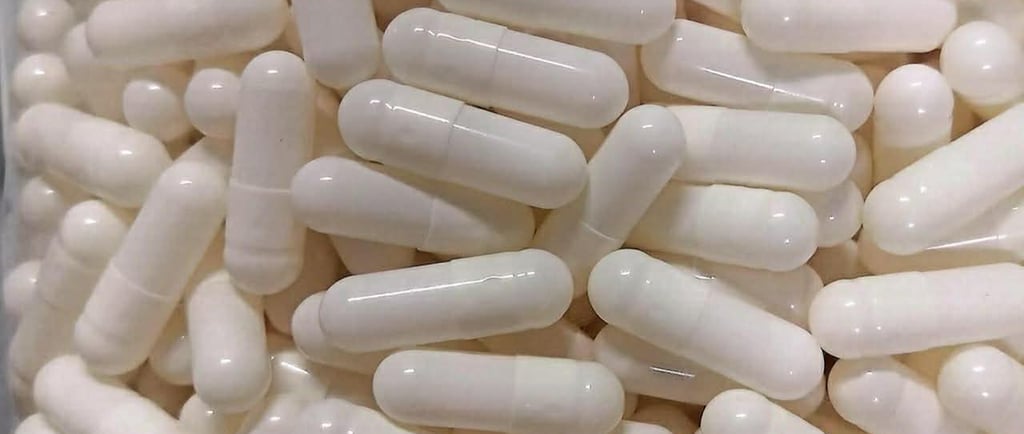
Capsules represent the most convenient and portable form of shilajit. The powdered shilajit is encapsulated for easy consumption, allowing individuals to take it with ease while on the go. However, it is essential to note that the bioavailability of the active ingredients in capsules may be lower compared to resin due to the presence of additional fillers or additives used in the capsule formulation. Furthermore, the concentration of shilajit can vary from one brand to another, making it crucial for consumers to choose high-quality products.

Benefits of Shilajit: A Brief Overview

Shilajit, a natural substance found primarily in the Himalayan mountains, has been traditionally revered for its numerous benefits over centuries. Users often cite improved energy levels as one of the most prominent advantages. This energizing effect is thought to stem from the presence of fulvic acid and various minerals that assist in the body’s energy production processes. Many individuals report feeling less fatigued and more invigorated when incorporating shilajit into their daily regimen.

Enhancing cognitive function is another commonly noted benefit of shilajit. Some studies suggest that the constituents within shilajit may support brain health and improve memory performance. The potential neuroprotective properties of shilajit could contribute to enhanced focus and clarity, making it an appealing option for those seeking cognitive support, particularly in high-demand situations, such as intense academic or professional pursuits.

Additionally, shilajit is often associated with antioxidant properties, which are vital for combating oxidative stress within the body. The rich array of minerals and compounds may help neutralize free radicals, thereby potentially contributing to overall health and wellness. While traditional use and anecdotal evidence highlight these advantages, it is imperative to approach them with careful consideration. Scientific studies are still emerging, and individual experiences with shilajit may vary significantly.

It is crucial for users to regard shilajit not as a miraculous remedy, but rather as a supplement that may complement a balanced lifestyle. In summary, the benefits attributed to shilajit, such as improved energy, cognitive enhancement, and potential antioxidant effects, warrant further investigation and personal reflection within the framework of traditional practices and modern-day health approaches.

Resin vs Powder vs Capsules: Nutritional Content and Efficacy

Shilajit, a complex composition of minerals and organic materials, is available in multiple forms: resin, powder, and capsules. Understanding the nutritional content of each will assist consumers in choosing the most effective option for their needs.

Resin is the most natural form of shilajit, containing a rich profile of over 85 minerals, including fulvic acid, humic acid, and trace elements such as zinc and magnesium. These compounds are critical for their antioxidant properties and potential health benefits. The natural extraction of resin often means it retains higher levels of bioactive compounds, providing enhanced efficacy compared to other forms.

Shilajit powder is derived from resin through processing that involves drying and grinding. This method may alter some of the mineral content, which can lead to a reduction in potency compared to the raw resin. However, shilajit powder is favored for its versatility and ease of use, as it can be easily mixed in beverages or foods. Analyzing its nutritional profile reveals a slightly lower concentration of certain compounds when compared to shilajit resin.

On the other hand, capsules are the most processed form of shilajit. They typically contain powder encapsulated for convenience and accurate dosing. While capsules provide a standardized intake, the manufacturing process may involve additional ingredients, which can dilute the effectiveness of shilajit. The bioavailability of nutrients in capsules may be lower due to the encapsulation process, which affects how quickly the body can absorb these essential minerals.

In terms of absorption rates, the visceral experience and preferences may guide choices. Resin, with its high potency, may offer faster benefits but requires careful handling. Powder presents a middle ground, whereas capsules appeal to those seeking convenience. Each form has its unique advantages and drawbacks, emphasizing the importance of selecting the right type based on individual lifestyle and health goals.

User Experience: Taste, Usage, and Convenience

The experience of using Shilajit can greatly vary depending on the form selected—whether resin, powder, or capsules. Each form offers distinctive tastes, ease of use, and overall convenience, catering to different user preferences and lifestyles.

Starting with resin, it is known for its robust and somewhat earthy flavor, which may not appeal to everyone. Users often integrate Shilajit resin into hot beverages, such as tea or warm water, which helps to mask its strong taste while allowing for easy consumption. To use resin, it is typically dissolved in the warm liquid, making it a straightforward addition to daily routines, albeit requiring a bit of preparation.

On the other hand, Shilajit powder presents a versatile option that can seamlessly blend into smoothies, juices, or even sprinkled over meals. The powder form allows users to control their dosage more precisely, although it still retains some of the resin's strong flavor, which may deter people who are taste-sensitive. By incorporating it into a favorite recipe, users can mitigate the taste while enjoying the numerous health benefits associated with Shilajit.

Finally, capsules come forth as the most convenient option, particularly for those with busy lifestyles. They are tasteless, making them an appealing choice for individuals who prefer to avoid the flavors associated with resin or powder. Capsules deliver a consistent dosage and are easy to consume on-the-go, fitting effortlessly into both work and travel routines. Many users find this form best when prioritizing convenience over other considerations.

Each form of Shilajit offers a unique user experience; thus, the choice largely depends on individual preferences regarding taste, accuracy of dosage, and convenience in incorporating it into daily life.

Potential Drawbacks and Considerations

While shilajit is widely regarded for its health benefits, it's important to recognize the potential drawbacks associated with its various forms: resin, powder, and capsules. Each form presents unique considerations that users should be aware of.

Starting with shilajit resin, one drawback is its strong, earthy taste, which can be off-putting for some individuals. This form must be dissolved in warm water or milk before consumption, requiring users to take additional steps to prepare it, which may deter those seeking convenience. Moreover, ensuring complete solubility can be tricky, leading to the possibility of undissolved residue.

Shilajit powder, while often easier to mix into drinks or foods, has its own set of concerns. First, the taste remains a hurdle for those sensitive to strong flavors. Additionally, when purchasing powdered forms of shilajit, consumers must be wary of sourcing from reputable suppliers to avoid contaminants. Inadequate quality control can lead to products mixed with fillers or toxins, posing health risks.

Lastly, shilajit capsules are convenient and mask the taste effectively, making them ideal for quick consumption. However, the capsules may contain additives or binders that some individuals might wish to avoid, and they can be difficult for those with swallowing difficulties. There is also the factor of bioavailability—as the body's absorption rate of encapsulated forms might differ from that of resin or powder.

Safety considerations are paramount when choosing any form of shilajit. Sourcing from reputable suppliers is crucial in mitigating risks associated with potential contaminants. Knowing one's sensitivity to shilajit is also essential, as some individuals may experience side effects despite its natural origins. In conclusion, understanding the drawbacks associated with each form of shilajit can help users make informed decisions about their health and wellness choices.

Conclusion: Which Form of Shilajit is Best for You?

As we have explored throughout this blog post, Shilajit is available in three primary forms: resin, powder, and capsules. Each form has its own unique characteristics, benefits, and potential drawbacks that cater to different preferences and lifestyles. For instance, Shilajit resin offers a more natural experience, as it is less processed and may retain more of its beneficial compounds. However, this form can be less convenient for certain users due to its consistency and dosage measurement.

On the other hand, Shilajit powder allows for versatility in consumption, making it easy to integrate into various recipes or beverages. This form may appeal to those who prefer a more flexible approach to supplementation but requires careful attention to sourcing and purity to ensure maximum efficacy. Lastly, Shilajit capsules provide a standardized and convenient method of consumption, simplifying the process for individuals with a busy lifestyle or those who may be apprehensive about handling the raw substance.

When choosing the best form of Shilajit for your personal needs, consider factors such as your daily routine, specific health goals, and individual preferences when it comes to taste and texture. Additionally, it is wise to consult with a healthcare professional before introducing any new supplement into your regimen, as they can provide tailored recommendations and address any health concerns you may have. Ultimately, the optimal choice will depend on aligning the form of Shilajit with your lifestyle and health objectives, ensuring a beneficial addition to your wellness journey.