100% Pure Himalayan Shilajit Resin - Lab Tested - Authentic - Secure Checkout - Free & Fast Shipping

The Rich History and Benefits of Shilajit in Nepal
1/29/20267 min read
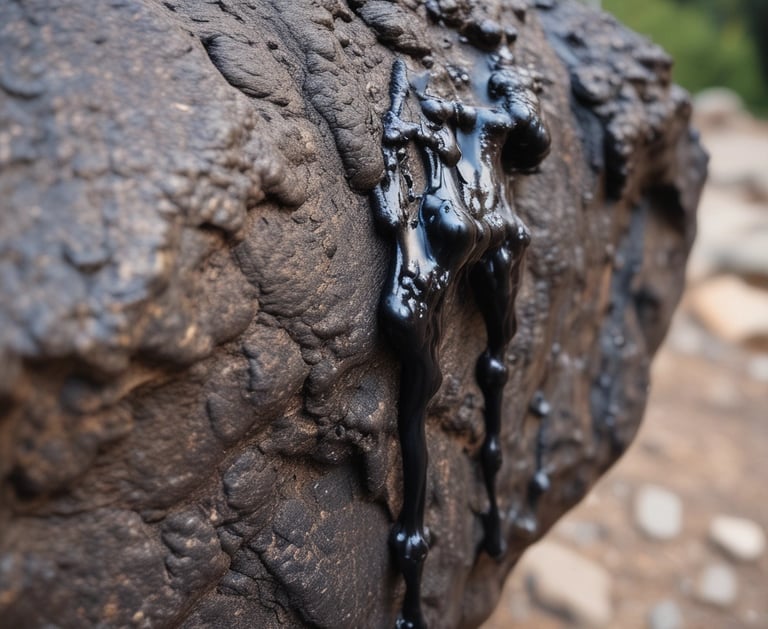

Introduction to Shilajit
Shilajit is a remarkable natural substance that exudes from the crevices of Himalayan rocks, especially in the majestic landscape of Nepal. This mineral-rich tar-like substance is formed over centuries from the decomposition of plant matter and its biochemical interactions with the geological features of the mountains. Shilajit is commonly characterized by its rich dark color and sticky, resin-like consistency, making it a unique natural treasure found only in specific geographical regions.
This extraordinary substance is primarily composed of humic acid, fulvic acid, and various trace minerals, giving it a distinctive profile that contributes to its numerous health benefits. In traditional medicine systems such as Ayurveda, shilajit is revered for its rejuvenating properties and is often utilized as a powerful adaptogen, aiding the body in adapting to various stressors. Its significance can be traced back thousands of years, where it has been utilized as a vital component in Ayurvedic remedies and various holistic health practices.
Historically, shilajit has played an essential role in the cultural and medicinal practices of the peoples residing in the Himalayan regions. It has been documented that ancient physicians recognized its efficacy in promoting vitality and longevity, often integrating it into treatments for a variety of ailments. Beyond its medicinal importance, shilajit holds a prominent place in folk traditions, symbolizing health, strength, and endurance, further cementing its status as an integral part of the local heritage.
In light of its rich composition and historical significance, shilajit has garnered attention not only for its health benefits but also for its potential role in contemporary wellness practices. As individuals continue to seek natural cures and holistic solutions, the interest in shilajit remains steadfast, highlighting its enduring legacy across generations.
Historical Significance of Shilajit in Nepal
Shilajit, a potent natural substance found in the mountainous regions of Nepal, possesses a rich historical significance that dates back thousands of years. This unique mineral resin has been revered in Ayurveda, the traditional Indian system of medicine, for its numerous health benefits and medicinal properties. Ancient texts, including the Ayurvedic classics, have documented the use of shilajit as a restorative agent for various ailments, positioning it as a cornerstone of holistic healing practices in the region.
The earliest references to shilajit can be traced to ancient Indian scriptures, such as the Charaka Samhita and the Sushruta Samhita. These texts describe shilajit not only as a remedy for physical ailments but also as an enhancer of spiritual well-being. It was believed to rejuvenate the body and mind, promoting longevity and vitality. As a result, shilajit became highly regarded among practitioners of Ayurvedic medicine, who utilized it in various formulations to treat conditions ranging from fatigue and digestive issues to respiratory ailments.
Throughout history, different cultures in Nepal and neighboring regions have valued shilajit, attributing to it an array of health benefits. Local legends often highlight its miraculous properties, further amplifying its status as a healing agent. As trade routes developed in the Himalayas, shilajit gained prominence, with traders transporting it across territories, leading to its incorporation into various cultures. It was not only a staple in traditional medicinal practices but also a commodity that connected diverse communities through shared beliefs in its efficacy. Today, the legacy of shilajit continues, as it remains a significant part of Nepalese heritage, underscoring the intricate interplay between nature and ancient wisdom in fostering health.
Traditional Uses of Shilajit in Ayurvedic Practices
Shilajit has long been a cherished component of traditional Ayurvedic medicine, revered for its diverse health benefits and rejuvenating properties. Known for its rich mineral content, Shilajit is identified as a potent natural substance that enhances vitality and well-being. Its use dates back thousands of years, where it was incorporated into various healing practices, symbolizing the deep connection between nature and medicine in ancient cultures.
One of the primary traditional applications of Shilajit in Ayurveda lies in its reputation as a powerful adaptogen. Ayurvedic practitioners utilize it to help the body manage stress and adapt to various environmental changes. This natural mineral pitch is believed to influence the body’s energy levels, making it a popular supplement for improving endurance and reducing fatigue. By fortifying the body, Shilajit plays a crucial role in promoting overall health, enhancing not only physical strength but also mental clarity and focus.
Moreover, Shilajit has been noted for its efficacy in improving specific health conditions within the Ayurvedic framework. For instance, it is commonly used to enhance sexual health, being known as an aphrodisiac that supports libido and fertility. Additionally, Shilajit is often recommended for its potential benefits in managing chronic ailments, such as diabetes and arthritis, and promoting joint health. The anti-inflammatory properties of this substance are particularly valued in the treatment of such conditions.
It is essential to mention that Shilajit serves as a rejuvenator, or ‘Rasayana,’ in Ayurvedic practices. This classification as a rejuvenating agent signifies its role in promoting longevity, vitality, and youthfulness. By revitalizing the body, Shilajit aligns with the Ayurvedic goal of achieving harmony between the mind, body, and spirit.
The Science Behind Shilajit: Composition and Benefits
Shilajit, a natural substance found primarily in the Himalayan region, particularly in Nepal, has garnered interest due to its complex composition and health benefits. At its core, shilajit is composed of organic plant materials, minerals, and a significant amount of fulvic acid, which is a product of microbial decomposition of plant matter over centuries. The fulvic acid in shilajit constitutes approximately 50-70% of its composition, contributing to its unique properties and purported health benefits.
The mineral content of shilajit is diverse, containing more than 80 essential minerals in their ionic form, which enhances bioavailability. This broad spectrum of minerals, including magnesium, potassium, and calcium, plays a vital role in various physiological functions, contributing to overall wellness. These minerals are essential for processes such as energy production, muscle function, and maintaining electrolyte balance in the body.
Research indicates that shilajit may boost energy levels by enhancing mitochondrial function, a crucial aspect of cellular energy production. Studies suggest that the presence of fulvic acid can improve the body's ability to absorb nutrients and promote the elimination of toxins, which can enhance energy and reduce fatigue.
Furthermore, shilajit is known for its potential role in enhancing the immune system. Some studies propose that it may activate immune responses by modulating various cell types in the body, facilitating a more effective defense against pathogens. This immune-enhancing effect can be attributed to the mineral and fulvic acid content, which together improve the body's resilience to infections.
In conclusion, the scientific understanding of shilajit highlights its rich mineral composition and significant amounts of fulvic acid, contributing to its various health benefits. From improving energy levels to enhancing immune function, shilajit presents itself as a valuable natural supplement rooted in the rich biodiversity of Nepal.
Health Benefits of Shilajit
Shilajit, a unique natural substance found in the mountains of Nepal, is renowned for its numerous health benefits. This potent mineral-rich compound has been utilized in traditional medicine for centuries. Its health advantages can broadly be categorized into physical, mental, and emotional well-being, making it a valuable supplement for many individuals.
Physically, shilajit is recognized for its energy-boosting properties. It contains fulvic acid and numerous minerals that can enhance energy production at the cellular level. By improving mitochondrial function, shilajit helps the body convert food into energy more efficiently, potentially reducing feelings of fatigue and increasing physical endurance. Furthermore, its antioxidant properties combat oxidative stress and help maintain a healthy immune system.
Mentally, shilajit might have a significant impact on cognitive function. Research suggests that the active compounds within shilajit can support memory, focus, and overall brain health. It is believed to encourage neuronal health and may even have neuroprotective effects. Regular consumption of shilajit could promote sharper cognitive abilities, thereby enhancing productivity and learning capacities.
On the emotional front, shilajit may assist in stress management. The adaptation properties of this remarkable substance could aid the body in resisting stressors, thereby promoting a sense of calm and balance. This is particularly beneficial in today’s fast-paced lifestyle, where stress is prevalent. By potentially regulating cortisol levels, shilajit may help individuals navigate daily challenges with greater resilience.
Overall, the health benefits of shilajit are multi-faceted, encompassing a variety of aspects that contribute to one’s overall well-being. Incorporating shilajit into one's lifestyle could be a beneficial step toward achieving a more energized, focused, and emotionally balanced state.
How to Use Shilajit
Shilajit is available in various forms, including resin, powder, and capsules, catering to different preferences regarding consumption. The most potent and traditional form is shilajit resin, which is sticky and blackish-brown in color. For those who prefer convenience, shilajit powder and capsules can be suitable alternatives, providing similar benefits in a more refined format.
When incorporating shilajit into daily health routines, starting with a modest dosage is advisable. Recommendations typically suggest a dosage of 300 to 500 mg of shilajit resin or powder per day. For capsules, adherence to the manufacturer's dosage guidelines is paramount. It is essential to remember that individual responses to shilajit can vary; therefore, it is wise to consult a healthcare professional prior to initiating use, especially for individuals with pre-existing health conditions.
Shilajit can be consumed in several ways to maximize its benefits. One popular method is to dissolve approximately a pea-sized amount of shilajit resin in warm water or milk, creating a potent health tonic. This facilitates the absorption of its nutrients. Alternatively, shilajit powder can also be mixed into smoothies or herbal teas for added health benefits, providing a more palatable experience. Consuming shilajit in the morning on an empty stomach is suggested to enhance its effectiveness.
Moreover, for those aiming to enhance mental clarity and energy levels throughout the day, regular consumption of shilajit can prove beneficial. Incorporating shilajit into wellness routines may support overall vitality and health. It is crucial to maintain consistency in its use for optimal results. Following these guidelines can help seamlessly integrate shilajit into your health and wellness regimen.
Conclusion: Embracing Shilajit as a Natural Health Supplement
Shilajit, a revered natural substance found in the high altitudes of the Himalayas, particularly in Nepal, has a rich history embedded in the culture and traditional medicine of the region. Its significance goes beyond historical use; modern science has begun to uncover a plethora of health benefits associated with this remarkable resin. Traditionally, shilajit has been used to enhance vitality, promote longevity, and support overall well-being, encapsulating the wisdom of ancient practices that venerate nature's gifts.
Among the myriad advantages attributed to shilajit, it is recognized for its potential to enhance cognitive function, improve energy levels, and support immune health. Rich in fulvic acid and a variety of beneficial minerals, this natural supplement acts as a powerful adaptogen, helping the body to adapt to stress and restore balance. With this multitude of benefits, shilajit has become increasingly popular not only among those immersed in traditional practices but also among individuals seeking natural alternatives to support their health.
However, it is essential to approach the incorporation of new supplements with caution. While shilajit presents numerous health benefits, consulting with a healthcare professional is crucial before adding it to one’s regimen. This ensures that individual health conditions and medication interactions are taken into account, allowing for a safe and beneficial experience. As we embrace shilajit as part of a holistic approach to health, we honor not only its cultural significance but also its potential to enhance our quality of life in the modern age.
Address
Cambrai Road, Bulford
Salisbury
SP4 9FX
United Kingdom
Contacts
contact@purjawhite.co.uk
+44 7943727382